
Pest Identification and Facts
Learn More About Common Pests and How to Spot Them.
Understanding pests is the first step in effective pest management.
Here are some essential facts:
Pest Control Facts:
Ants
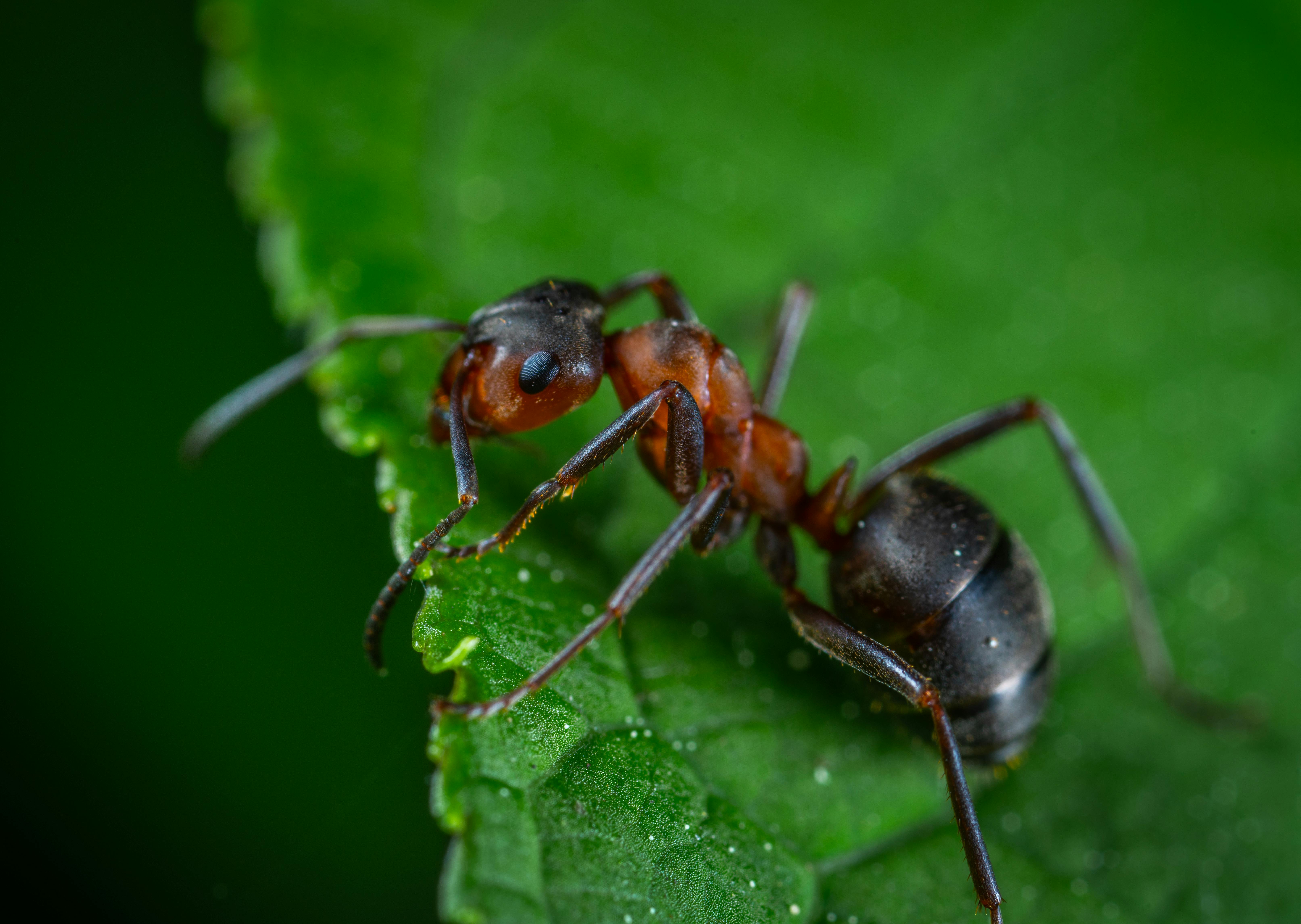
Facts About Ants
Ants are incredibly strong, capable of lifting objects up to 50 times their own body weight, and they live in highly organized colonies with a clear division of labor, including roles such as workers, soldiers, and queens. They communicate using chemicals called pheromones, which they use to leave trails for other ants to follow, and there are over 12,000 species of ants found on every continent except Antarctica. Some ant species form mutualistic relationships with plants and other insects, providing protection in exchange for food, and despite their small size, ants play a crucial role in the ecosystem by aiding in soil aeration and decomposition.
Types Of Ants
Carpenter Ant: Known for nesting in wood, often causing structural damage.
Odorous House Ant: Small ants that emit a foul odor when crushed.
Pavement Ant: Commonly found nesting in cracks in pavement and sidewalks.
Fire Ant: Recognizable by their reddish color and painful sting.
Argentine Ant: Often found in large colonies, known for displacing native ant species.
Rodents

Facts About Rodents
Rodents are mammals characterized by their continuously growing incisors, which they must gnaw on to keep from overgrowing. They are highly adaptable creatures found on every continent except Antarctica, thriving in various habitats ranging from urban areas to forests and grasslands. Rodents play essential roles in ecosystems as both prey and predators, but they can also pose significant challenges as pests when they invade human dwellings, causing damage and transmitting diseases.
How To Identify
Size and Shape: Rodents vary in size and shape, but they generally have small, compact bodies with short legs and tails. Rats are typically larger and more robust than mice, with longer tails and thicker bodies.
Fur Color and Texture: Rodents may have different fur colors and textures depending on the species. Common colors include brown, gray, and black, with variations in patterns and markings. Some rodents may have sleek, smooth fur, while others have coarse or wiry coats.
Facial Features: Pay attention to the facial features of rodents, including the shape of their snouts, ears, and eyes. Mice usually have small, rounded snouts and large ears relative to their body size, while rats have more elongated snouts and ears that are proportionate to their head size.
How To Treat
Bait Stations: Place bait stations strategically in areas where rodents are active, using rodenticides that are specifically formulated to attract and kill rodents. The rodents will consume the bait and carry it back to their nests, effectively reducing the population.
Sealing Entry Points: Identify and seal any potential entry points that rodents may use to access your home or building. This includes gaps in walls, doors, windows, and utility penetrations, as well as cracks in the foundation.
Sanitation: Maintain cleanliness and eliminate potential food sources that may attract rodents. Store food in sealed containers, clean up spills and crumbs promptly, and dispose of garbage regularly to reduce the availability of food for rodents.
Mosquitos
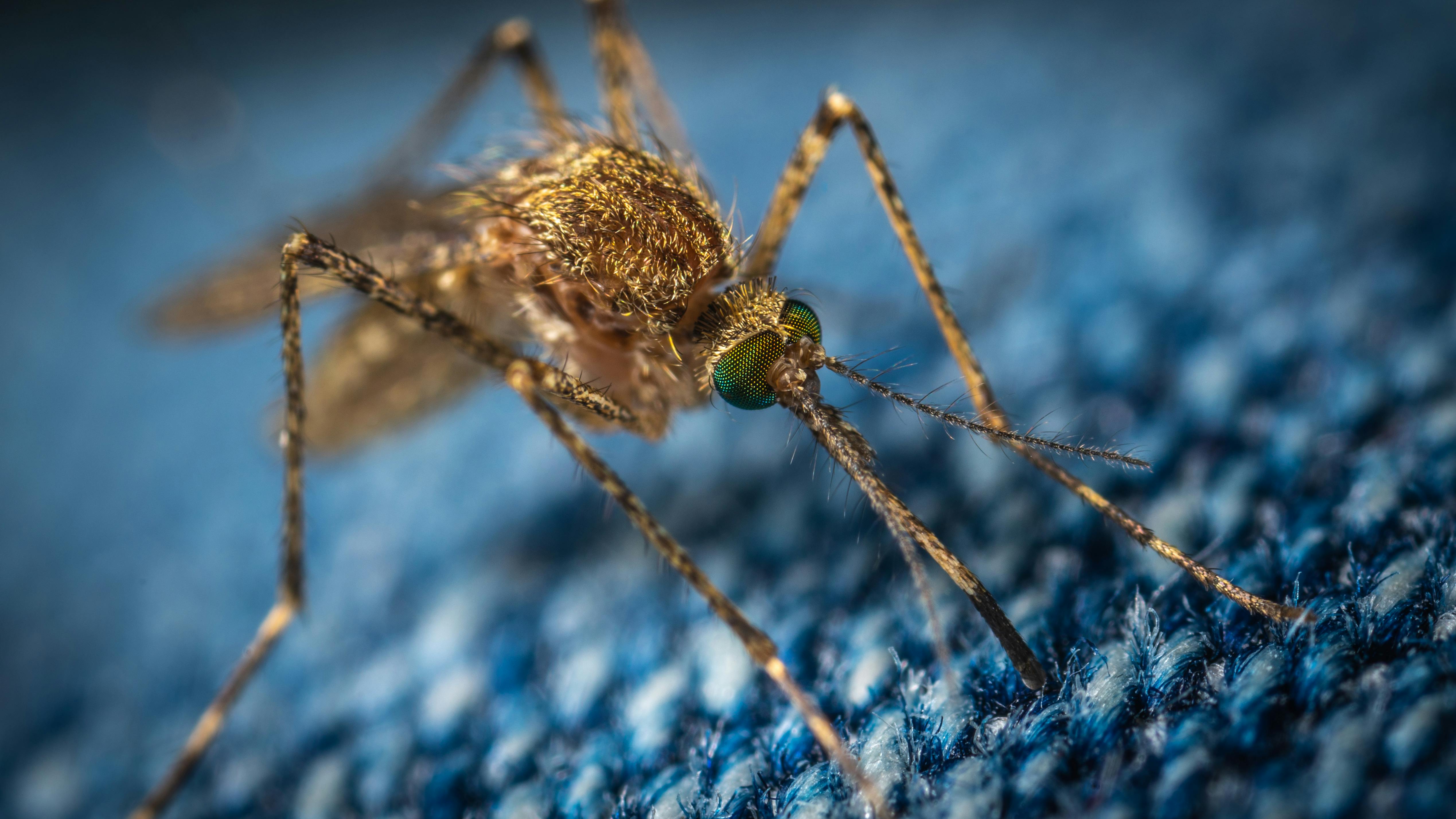
Facts About Mosquitos
Mosquitoes are small, flying insects known for their ability to bite and feed on the blood of humans and animals. They are vectors for various diseases, including malaria, dengue fever, and Zika virus, making them a significant public health concern. Mosquitoes breed in stagnant water, where their larvae develop before emerging as adults
How To Identify
Slender Body: Mosquitoes have slender bodies that typically range from 1/8 to 3/8 inch in length, with long, thin legs and a narrow abdomen.
Wings: They have two long, translucent wings that often have tiny scales along the veins, giving them a delicate appearance.
Long Proboscis: Mosquitoes possess a long, needle-like proboscis used for piercing the skin and feeding on blood, which is a distinctive feature of their appearance.
How To Treat
Eliminate Standing Water: Remove or treat any standing water around your home, such as in birdbaths, flowerpots, and gutters, to prevent mosquitoes from breeding.
Insect Repellents: Use insect repellents containing DEET, picaridin, or oil of lemon eucalyptus on exposed skin and clothing to deter mosquito bites.
Mosquito Traps: Set up mosquito traps that use attractants like carbon dioxide and light to lure and capture mosquitoes, reducing their population in the area.